County Development & Service Delivery Guide Kenya

County Development & Service Delivery Guide Kenya

Strengthening County Governance and Development in Kenya

County governments in Kenya play a critical role in delivering essential public services, driving local development, and ensuring citizen participation in governance. Institutions such as the Konoin Sub-County administration are central to implementing national policies at the grassroots level while addressing the unique needs of local communities.

Effective county governance is built on transparency, accountability, and efficient service delivery. From infrastructure development to healthcare, education, and agricultural support, county systems are designed to bring services closer to the people and improve quality of life.

The Role of County Governments in Development

Since the introduction of devolution in Kenya, county governments have become key drivers of regional development. They are responsible for planning and executing development projects that directly impact local populations.

Core responsibilities include:

  • Infrastructure development such as roads, water, and sanitation
  • Provision of healthcare services through county hospitals and clinics
  • Support for agriculture and livestock development
  • Early childhood education and vocational training
  • Local economic empowerment initiatives

These functions ensure that development is not centralized but distributed equitably across all regions.

Citizen Engagement and Public Participation

Public participation is a cornerstone of effective governance. County governments are required to involve citizens in decision-making processes, especially in budgeting and development planning.

This engagement allows communities to voice their needs, priorities, and concerns, ensuring that government projects reflect real local demands. It also strengthens accountability and transparency in service delivery.

Improving Service Delivery at the Local Level

Efficient service delivery is one of the main goals of county governments. This involves ensuring that citizens can easily access essential services without unnecessary delays or bureaucratic barriers.

Key strategies for improving service delivery include:

  • Digitization of government services
  • Streamlining administrative processes
  • Capacity building for public servants
  • Enhanced infrastructure investment

When these systems function effectively, citizens experience faster, more reliable, and more transparent services.

Healthcare and Community Well-being

Healthcare is a vital component of county development. Local governments are responsible for ensuring accessible and affordable healthcare services for all residents.

This includes the management of health centers, maternity services, vaccination programs, and disease prevention initiatives. Strong healthcare systems contribute significantly to improved life expectancy and overall community well-being.

Access to health information is also important for informed decision-making. Reliable resources such as trusted health and fertility awareness platforms can support individuals in understanding reproductive health and making informed personal health choices.

Infrastructure Development and Economic Growth

Infrastructure development is a major driver of economic growth at the county level. Roads, bridges, water systems, and energy infrastructure all contribute to improved trade, mobility, and investment opportunities.

Well-developed infrastructure attracts businesses, creates employment opportunities, and enhances access to markets. This ultimately leads to improved living standards for residents.

Agriculture and Food Security

Agriculture remains the backbone of many county economies in Kenya. County governments support farmers through extension services, subsidies, training, and access to markets.

By investing in modern farming techniques and climate-smart agriculture, counties can improve food security and increase productivity. This also helps reduce poverty and strengthen rural economies.

Education and Youth Empowerment

Education is essential for long-term development. County governments play a role in supporting early childhood education and vocational training programs that equip young people with practical skills.

Youth empowerment initiatives such as entrepreneurship training, sports programs, and innovation hubs help reduce unemployment and encourage self-reliance among young people.

Tourism and Local Economic Opportunities

Tourism is an important sector that contributes to county revenue and job creation. Many counties in Kenya are rich in natural beauty, cultural heritage, and wildlife attractions.

Promoting local tourism helps diversify income sources and supports small businesses such as hotels, tour guides, and transport services. It also encourages cultural preservation and environmental conservation.

For travelers and residents looking to explore new destinations, curated travel planning services like professional vacation and travel experiences can help create well-organized and memorable journeys that highlight local attractions and regional diversity.

Digital Transformation in County Services

Technology is transforming how county governments operate. Digital platforms are increasingly being used to provide services such as licensing, tax payments, and citizen feedback systems.

This shift improves efficiency, reduces corruption, and enhances transparency. It also makes it easier for citizens to access government services from anywhere at any time.

Challenges Facing County Governments

Despite progress, county governments face several challenges that affect service delivery and development outcomes. These include limited funding, bureaucratic inefficiencies, and capacity gaps in technical skills.

Other challenges include political interference, uneven resource distribution, and infrastructure limitations in remote areas. Addressing these issues requires strong leadership, collaboration, and continuous institutional reform.

Strengthening Governance and Accountability

Good governance is essential for sustainable development. Counties must ensure transparency in budgeting, procurement, and project implementation.

Mechanisms such as audits, public reporting, and citizen feedback systems help strengthen accountability and build public trust in government institutions.

The Role of Community Participation in Development

Community involvement is critical for successful development projects. When citizens actively participate in planning and implementation, projects are more likely to meet local needs and achieve long-term success.

Community-driven development also fosters ownership and ensures that infrastructure and services are properly maintained.

Future of County Development in Kenya

The future of county development lies in innovation, collaboration, and sustainable practices. As counties continue to evolve, there is a growing emphasis on digital transformation, climate resilience, and inclusive growth.

Investing in human capital, technology, and infrastructure will be key to achieving long-term development goals. Counties that prioritize efficiency, transparency, and citizen engagement will lead the way in delivering better services.

Conclusion: Building Stronger Counties for the Future

County governments are at the heart of Kenya’s development journey. Through effective governance, citizen participation, and strategic investment, they have the power to transform local communities and improve quality of life.

By strengthening service delivery systems, embracing technology, and promoting inclusive development, counties can create sustainable growth and a better future for all residents.

Strengthening Local Governance and Development in Kenya

Strengthening Local Governance and Development in Kenya

Understanding the Role of Local Government in Development

Local government institutions in Kenya play a central role in driving grassroots development, service delivery, and public administration. These institutions are responsible for ensuring that national policies are implemented effectively at the community level while addressing the unique needs of local populations.

In counties such as those under structured administrative frameworks, governance bodies focus on infrastructure development, healthcare services, education support, agricultural empowerment, and economic growth initiatives. Their mandate is to bring government services closer to the people in an efficient, transparent, and accountable manner.

The effectiveness of local governance directly influences the quality of life, economic stability, and long-term sustainability of communities.

Core Objectives of Local Governance

  • Enhancing service delivery at the community level
  • Promoting equitable development across regions
  • Supporting youth and women empowerment programs
  • Improving infrastructure such as roads, water, and electricity
  • Strengthening public participation in decision-making

These objectives ensure that development is inclusive, participatory, and aligned with national growth strategies.

Decentralization and Its Impact on Service Delivery

Decentralization has significantly transformed governance structures in Kenya by transferring authority and resources from the national government to county governments. This system enhances efficiency by allowing local leaders to make decisions based on specific regional needs.

It also improves accountability because citizens can directly engage with their leaders and participate in governance processes. This proximity between leadership and citizens strengthens trust and improves responsiveness to public concerns.

However, effective decentralization requires strong institutional capacity, financial discipline, and transparent management systems.

Key Sectors Driving Local Development

Local governments focus on multiple sectors that collectively contribute to socio-economic development. Each sector plays a critical role in improving living standards and fostering economic resilience.

1. Healthcare Services

Healthcare systems at the local level ensure access to essential medical services, maternal care, immunization programs, and disease prevention initiatives. Strengthening healthcare infrastructure is a priority in most development plans.

2. Education and Youth Development

Investment in education ensures long-term community empowerment. Local governments support early childhood education, vocational training centers, and youth empowerment programs.

3. Agriculture and Food Security

Agriculture remains a key economic driver in many regions. Local governments support farmers through training, subsidized inputs, irrigation projects, and market access programs.

4. Infrastructure Development

Road construction, water supply systems, and electricity connectivity projects are essential for improving economic activity and accessibility.

Community Empowerment and Social Wellbeing

Sustainable development is not only about infrastructure but also about empowering communities socially and economically. Local governments implement programs aimed at reducing poverty, increasing employment opportunities, and promoting entrepreneurship.

Social welfare initiatives target vulnerable groups such as youth, women, the elderly, and persons with disabilities, ensuring inclusive development across all demographics.

In addition, access to quality healthcare and wellness services contributes significantly to community productivity and long-term stability. For example, awareness of specialized health services such as advanced reproductive and family wellness support programs helps individuals make informed decisions about their health and future planning.

Tourism and Economic Diversification

Tourism plays an important role in local economic development, especially in regions with natural attractions, cultural heritage sites, and wildlife reserves. County governments support tourism by improving infrastructure, promoting local attractions, and collaborating with private sector stakeholders.

Travel experiences also contribute to economic diversification by creating employment opportunities in hospitality, transport, and service industries.

Modern travel planning platforms such as curated destination and travel experience services support individuals and groups in organizing structured trips that enhance both leisure and economic activity within regions.

Governance Transparency and Public Participation

Transparency and accountability are fundamental principles of effective governance. Citizens expect clear communication on budgets, development projects, and public spending. To achieve this, local governments increasingly adopt digital platforms, public forums, and community engagement programs.

Public participation ensures that citizens have a voice in decision-making processes. This includes involvement in budget planning, project prioritization, and policy formulation.

Benefits of Public Participation

  • Improved trust between citizens and government
  • Better allocation of public resources
  • Increased accountability in project implementation
  • Enhanced community ownership of development projects

Challenges Facing Local Governance

Despite significant progress, local governments face several challenges that impact service delivery and development outcomes.

1. Resource Constraints

Limited financial resources often hinder the implementation of large-scale development projects.

2. Capacity Gaps

Some regions face shortages of skilled personnel in technical and administrative roles.

3. Corruption and Mismanagement

Poor governance practices can reduce efficiency and limit public trust.

4. Infrastructure Inequality

Rural areas often lag behind urban centers in terms of infrastructure development and access to services.

Digital Transformation in Governance

Technology is playing an increasingly important role in modern governance. Digital systems improve efficiency, reduce paperwork, and enhance service delivery. Many local governments are adopting online platforms for service requests, payments, and communication.

Digital transformation also improves data collection and analysis, enabling better planning and decision-making.

Mobile technology and internet access have made it easier for citizens to engage with government services and access important information in real time.

Sustainable Development and Long-Term Planning

Sustainability is a key focus in modern governance. Development projects must consider environmental impact, resource conservation, and long-term community benefits.

Local governments are increasingly investing in renewable energy, water conservation systems, and climate resilience programs.

Strategic planning ensures that development initiatives are not only impactful in the short term but also sustainable for future generations.

Conclusion: The Future of Local Governance in Kenya

Local governance continues to play a critical role in shaping Kenya’s development trajectory. Through decentralization, community participation, and strategic investment in key sectors, counties are driving meaningful change at the grassroots level.

While challenges remain, ongoing reforms, digital transformation, and increased citizen engagement are strengthening governance systems and improving service delivery.

The future of development lies in collaboration between government, private sector, and communities to build resilient, inclusive, and sustainable societies that support long-term national growth.

Kisii County Development Services | Public Information Guide

Kisii County Development Services | Public Information Guide

Strengthening Public Service Delivery in Kisii County

County governments in Kenya play a central role in delivering essential services, promoting local development, and improving the quality of life for residents. Kisii County is among the regions actively focused on enhancing governance, infrastructure, healthcare, education, and economic empowerment for its citizens.

Through structured development programs and citizen-centered policies, the county continues to strengthen its administrative systems and ensure that public services are accessible, efficient, and transparent.

Understanding the Role of County Government

The county government is responsible for devolved functions that directly impact daily life. These include healthcare services, agriculture support, trade development, infrastructure maintenance, and environmental management.

Effective governance at the county level ensures that resources are distributed equitably and that development projects align with the needs of local communities.

  • Healthcare service delivery and hospital management
  • Road construction and infrastructure development
  • Agricultural extension services and farmer support
  • Trade licensing and business development support

Public Service Accessibility and Digital Transformation

Modern county governments are increasingly adopting digital systems to improve service delivery. These systems reduce bureaucracy, enhance transparency, and allow citizens to access services more conveniently.

Digital transformation includes online applications for permits, improved communication channels, and data-driven decision-making in governance.

Economic Empowerment and Local Development

Economic growth at the county level is driven by support for small businesses, agricultural productivity, and youth empowerment programs. These initiatives aim to reduce unemployment and improve household incomes.

Entrepreneurship is a key focus area, with counties providing training, financial support programs, and market access opportunities for local businesses.

  • SME support and business incubation programs
  • Youth and women empowerment initiatives
  • Agricultural modernization projects
  • Market infrastructure development

Healthcare Services and Community Wellbeing

Healthcare is one of the most critical devolved functions. County governments are responsible for managing hospitals, health centers, and community health programs.

Improving healthcare access ensures better maternal care, disease prevention, and emergency response systems for residents.

Access to specialized health services is also part of broader wellness planning. For individuals seeking long-term family health planning, reproductive and fertility health support services in Kenya highlight the importance of structured medical care in improving overall wellbeing.

Such services contribute to healthier families and stronger communities by ensuring that individuals can access medical guidance and support when needed.

Infrastructure Development and Urban Growth

Infrastructure development remains a major priority for county governments. Roads, water systems, and public facilities are essential for supporting economic activity and improving living standards.

Well-maintained infrastructure enhances trade, improves mobility, and supports service delivery across all sectors.

  • Road network expansion and maintenance
  • Water supply and sanitation systems
  • Public facility construction and upgrades
  • Urban planning and housing development

Agriculture as a Key Economic Driver

Agriculture remains the backbone of many county economies, including Kisii. Supporting farmers through training, inputs, and market access is essential for food security and income generation.

County governments continue to invest in modern farming techniques and value addition to increase productivity and profitability for farmers.

Education and Youth Development

Education plays a vital role in long-term development. County governments support early childhood education, vocational training, and youth empowerment initiatives to equip young people with relevant skills.

These programs are designed to reduce unemployment and create a skilled workforce that can contribute to local and national development.

Tourism, Culture, and Economic Diversification

Tourism and cultural heritage are important contributors to local economies. Promoting local attractions and cultural identity helps diversify income sources and attract investment.

Communities benefit from tourism through job creation, small business growth, and infrastructure development.

For broader lifestyle and leisure opportunities, structured travel planning services such as curated holiday and travel experiences demonstrate how organized tourism contributes to relaxation, exploration, and economic activity across regions.

Environmental Conservation and Sustainability

Environmental protection is essential for sustainable development. County governments implement programs aimed at conserving natural resources, managing waste, and promoting climate resilience.

Sustainable practices ensure that future generations can continue to benefit from natural ecosystems and resources.

  • Tree planting and reforestation initiatives
  • Waste management and recycling programs
  • Water resource protection
  • Climate change adaptation strategies

Citizen Engagement and Public Participation

Public participation is a key principle of devolution. Citizens are encouraged to engage in decision-making processes to ensure that development priorities reflect community needs.

This participatory approach strengthens accountability and improves trust between government and residents.

Technology and Governance Efficiency

Technology is increasingly being used to improve governance efficiency. Digital systems help streamline service delivery, reduce corruption, and improve transparency in county operations.

From online service portals to digital record management, technology plays a central role in modern public administration.

Challenges Facing County Development

Despite progress, counties still face challenges such as limited resources, infrastructure gaps, and rising demand for public services.

Addressing these challenges requires strategic planning, efficient resource management, and strong collaboration between government and stakeholders.

  • Budget constraints and resource allocation issues
  • Infrastructure development gaps
  • Population growth and service demand
  • Climate and environmental challenges

The Future of County Development in Kenya

The future of county development lies in stronger governance systems, increased digital adoption, and sustainable economic planning. As counties continue to evolve, they will play an even greater role in shaping national development.

With continued investment in infrastructure, healthcare, education, and economic empowerment, counties like Kisii are positioned for long-term growth and transformation.

Conclusion

County governments are at the heart of Kenya’s development agenda. Through effective service delivery, economic empowerment, and citizen engagement, they are improving livelihoods and creating opportunities for growth.

By integrating modern technology, sustainable practices, and inclusive governance, counties can continue to build stronger, more resilient communities for the future.

Konoin Constituency: Governance, Development & Community Services

Konoin Constituency: Governance, Development & Community Services

Empowering Communities through Effective Governance in Konoin Constituency

Konoin Constituency, located in Bomet County, Kenya, is committed to promoting sustainable development and improving the quality of life for its residents. With a population of approximately 145,057 people spread over 483.5 square kilometers, the constituency has implemented numerous initiatives in education, health, agriculture, and infrastructure to ensure holistic community growth.

Education and Youth Empowerment

Education is a cornerstone of Konoin’s development agenda. Through the NG-CDF, the constituency has funded the construction and renovation of schools, provided bursaries, and supported vocational training programs. These efforts ensure that students have access to quality education, enabling them to pursue higher learning and career opportunities. For students interested in specialized healthcare careers, institutions like Nur Fertility offer insights into medical careers and pathways in reproductive health and gynecology.

Health Initiatives and Community Well-Being

Health is a critical focus area for Konoin Constituency. The local government collaborates with healthcare providers to improve access to quality medical services, maternal care, and public health awareness campaigns. Clinics and community health programs address preventive care, vaccination, and maternal-child health. Residents seeking specialized fertility and gynecology services can benefit from guidance offered by Nur Fertility’s experienced specialists, demonstrating the importance of expert healthcare access within the community.

Agricultural Development and Sustainability

Agriculture remains a primary source of livelihood for many households in Konoin. The constituency supports farmers with training, modern farming techniques, and access to inputs to boost productivity and ensure food security. Sustainable farming practices are encouraged to protect natural resources while enhancing income generation for local families.

Infrastructure and Public Projects

Konoin Constituency continues to invest in infrastructure to facilitate economic growth and improve living standards. Road construction, water supply projects, and community centers are developed through public-private partnerships and NG-CDF funding. These projects create employment, improve mobility, and provide safe spaces for social and recreational activities.

Community Engagement and Participation

Public participation is integral to Konoin’s governance model. Through forums, public meetings, and feedback mechanisms, residents are empowered to contribute to policy-making, project prioritization, and community initiatives. This approach ensures transparency, accountability, and that development aligns with local needs.

Sports, Culture, and Youth Activities

Konoin Constituency promotes sports, arts, and cultural events to nurture talent and foster social cohesion. Sports tournaments, youth mentorship programs, and cultural festivals provide platforms for young people to showcase their skills, build networks, and develop leadership qualities.

Why Konoin Constituency Stands Out

  • Strong focus on education and youth development
  • Comprehensive health initiatives with emphasis on maternal care
  • Support for sustainable agriculture and economic empowerment
  • Investment in infrastructure and public service delivery
  • Active community participation and engagement

Conclusion: Building a Thriving Community

Konoin Constituency exemplifies effective governance by integrating development, public services, and community engagement. Through ongoing projects in education, health, infrastructure, and agriculture, residents are empowered to achieve sustainable growth and improved quality of life. Access to expert services, such as those offered by specialized healthcare providers like Nur Fertility, complements local initiatives and underscores the constituency’s commitment to the well-being of its people.

Konoin Development and Community Growth

Enhancing Community Development and Services in Konoin

Konoin Sub-County continues to make significant strides in improving the quality of life for its residents through strategic development initiatives and enhanced public service delivery. With a strong focus on infrastructure, education, healthcare, and economic empowerment, the region is steadily building a sustainable and inclusive future.

The local administration remains committed to fostering growth by collaborating with stakeholders, supporting community-driven projects, and ensuring that essential services are accessible to all. These efforts have contributed to improved livelihoods and a stronger sense of community across the sub-county.

Strengthening Healthcare and Well-being

Access to quality healthcare remains a top priority in Konoin. Ongoing investments in health facilities, outreach programs, and awareness campaigns have helped address key health challenges while promoting preventive care and overall well-being.

In addition to local healthcare services, residents are encouraged to seek reliable information and specialized support when needed. Areas such as maternal health, reproductive care, and family planning are essential components of community well-being. Individuals exploring these aspects often benefit from accessing credible platforms like

comprehensive fertility and reproductive health resources
, which provide valuable guidance and insights.

Economic Empowerment and Growth

Konoin continues to support local economic development through agriculture, small business initiatives, and youth empowerment programs. By providing access to resources, training, and opportunities, the sub-county is enabling residents to build sustainable livelihoods and contribute to regional growth.

  • Support for small and medium enterprises
  • Investment in agricultural productivity
  • Youth and women empowerment programs
  • Improved infrastructure and connectivity
  • Community-based development initiatives

These initiatives are designed to create long-term impact and ensure that economic growth benefits all members of the community.

A Vision for the Future

Looking ahead, Konoin Sub-County remains focused on strengthening partnerships, enhancing service delivery, and driving sustainable development. By aligning with national goals and community needs, the region is well-positioned to achieve continued progress.

Through collective effort and strategic planning, Konoin is building a future that prioritizes opportunity, resilience, and improved quality of life for all residents.

The continued commitment to development, health, and empowerment ensures that Konoin remains a vibrant and thriving community.


Strengthening Our Promise: Updated Service Charter

At the heart of every service we provide lies a promise — a promise to serve with integrity, fairness, and accountability. With the recent update to our Service Charter, we are proud to reaffirm and strengthen that commitment to the community.

The refreshed Charter is more than just a document — it is a reflection of our values and the principles that guide how we work every day. It clearly outlines what you can expect from us, the standards we hold ourselves to, and the channels available for feedback, support, and continuous improvement.

This update comes after thoughtful consultation and a desire to better align our services with the needs and expectations of those we serve. From timelines on service delivery to clearer communication protocols, the Charter puts transparency and responsiveness at the forefront.

By sharing it publicly, we are not only holding ourselves accountable, but also inviting you — the community — to be part of our journey. Because good governance thrives where there is trust, collaboration, and clarity.

We encourage you to take a moment to explore the updated Service Charter and see how it reinforces our shared goals. Together, we continue to build a more responsive, respectful, and resilient community.

Bursary Launch Day: Opening Doors to Education

Education has the power to transform lives — and on Bursary Launch Day, we witnessed just how powerful that transformation can begin.

This special event marked the official rollout of our bursary program, designed to support bright and deserving students who face financial barriers to continuing their education. Held with warmth, purpose, and an overwhelming sense of community spirit, the launch brought together students, parents, educators, and local leaders to celebrate this major milestone.

The day was filled with heartfelt moments — from the emotional stories shared by beneficiaries to the words of encouragement from guests who believe deeply in the value of investing in young minds. The photos from the event capture it all: smiles of gratitude, moments of reflection, and the hopeful expressions of students who now have a real shot at pursuing their dreams.


This program is more than financial assistance — it’s a statement of belief in every child’s potential. It’s about unlocking opportunities, leveling the playing field, and giving every student the chance to thrive, regardless of background.

As we look back on this launch, we also look forward — to the journeys ahead, the achievements waiting to unfold, and the impact this initiative will have in the years to come.

Let’s continue opening doors. The future is brighter when we walk through them together.

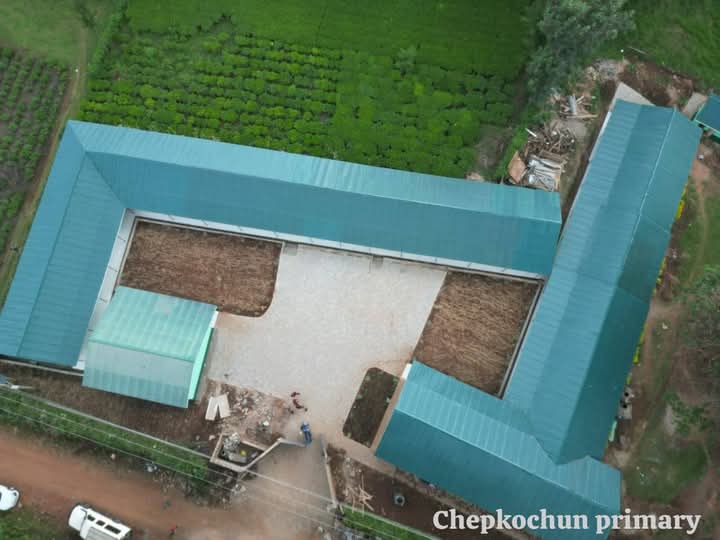
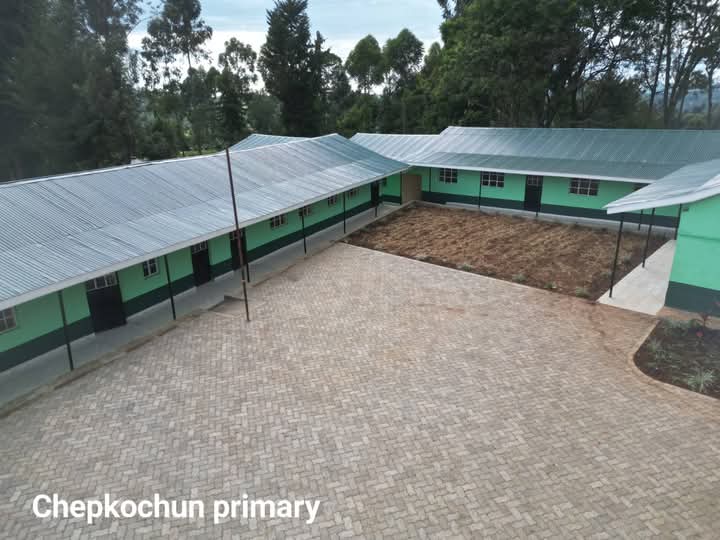
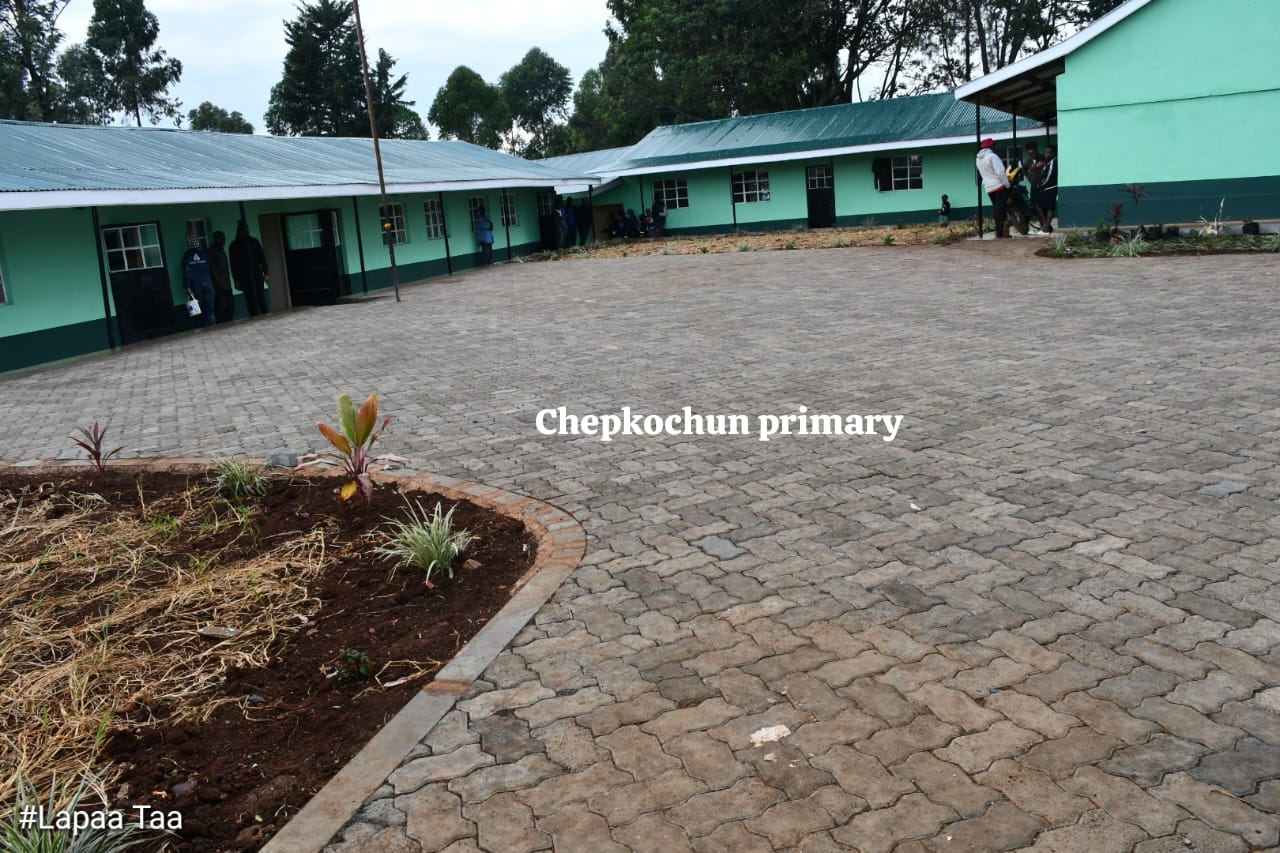
Empowering Young Learners at Chepkochun Primary

Chepkochun Primary School stands as a shining example of what dedicated support and community-driven effort can achieve. Over the past months, the school has seen significant strides toward creating a more inclusive and inspiring learning environment — and the change is truly heartening.

Walking through the school today, there’s a noticeable sense of pride. Classrooms that were once bare and crowded now feel welcoming and organized, thanks to the addition of new furniture, structural improvements, and better access to educational resources. These changes have brought a renewed focus to learning, with students showing greater enthusiasm and teachers empowered to teach more effectively.

The gallery of images offers a window into this transformation. You’ll see children deep in concentration, excitedly engaged in their lessons; teachers guiding with confidence; and a campus that’s becoming a true hub of hope and ambition. From freshly painted walls to the joy on students’ faces, every photo tells a story of progress.

Chepkochun Primary School

Chepkochun Primary

Chepkochun’s journey is still ongoing, but each step forward is meaningful. These updates are not just about buildings or supplies — they’re about investing in potential, raising aspirations, and laying the foundation for a stronger future.

Join us in celebrating this progress, and in supporting the continued growth of Chepkochun Primary School — where brighter classrooms are building brighter lives.

Bright Futures at Chorwet Primary School

At Chorwet Primary School, transformation is more than just a word — it’s a lived experience that’s unfolding one student, one classroom, and one smile at a time.

Thanks to ongoing community support and targeted development initiatives, the school is beginning to reflect a renewed sense of purpose. Classrooms that once struggled with overcrowding and limited resources are now seeing upgrades in infrastructure, with new desks, improved sanitation, and access to learning materials that make a real difference.

This change isn’t just physical — it’s deeply emotional. Teachers are re-energized, students are more engaged, and the entire school atmosphere is one of hope and possibility. The photos captured here tell a powerful story: eager learners focused on their lessons, children laughing together in improved playground spaces, and educators who are proud of the progress being made.

As you scroll through the gallery, you’ll see more than images — you’ll see the heartbeat of a community that believes in the power of education. Chorwet Primary is growing into a place where every child can dream, learn, and thrive.

Chorwet Primary School

We invite you to take a moment to witness this transformation — and to be part of the journey forward.

Hon.Brighton Yegon Wins Gala Award 2021 as Best MP, Bomet County

Hon.Brighton Yegon (Left) has been feted as the best Member of Parliament in Bomet county for the year 2021.

He was feted in the National County Gala Awards Ceremony that took place on Friday 20th August 2021 at Villa Rosa Kempinski, Nairobi.

The award is out of e research on prudent use of the NG-CDF funds allocated to constituencies every financial year, accountability and transparency. The research rated the Hon. Brighton Yegon to having spent the allocated funds well in improving the infrastructure of the schools, bursary allocation especially to needy students, support to administrative organs of the government, improvement of road network, improvement on electricity coverage and management of water resource and improvement to accessibility of water to the local community.